ISSR CLASSES
Checkpoint Science
iGCSE Chemistry
iGCSE Physics
iGCSE Coordinated Science
A-Level Chemistry
PRACTICALS
Practicals Home
Practicals A-Z
Study Plan for Practical Work
The term given to the process in which a compound breaks down on heating. All compounds will decompose if heated strongly enough, but some are stable to temperatures well above that which can be achieved by a Bunsen burner.
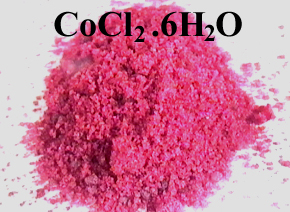
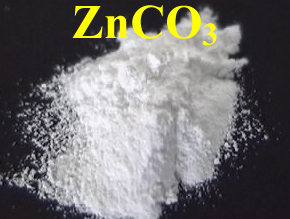
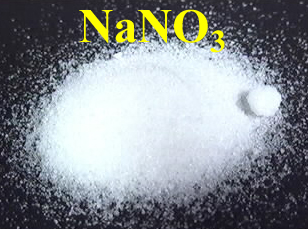
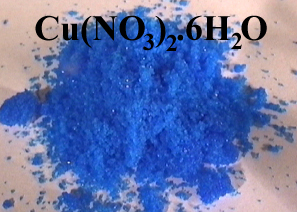
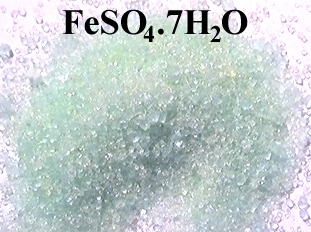
The changes which occur on heating a compound can give us good clues as to its identity. There are four common thermal decompositions studied at "A" level. First check the table of simple chemical tests for gases. Then watch the videos which show the effect of heating various compounds. Try to identify any gases that are given off in each case. See if you can write down a balanced chemical equation for the thermal decomposition reactions which occur. You can check your answers by clicking on the theory links. Clicking on the compound name shows a picture and the correct chemical formula.
The trend in the thermal stability of carbonates as we progress down group 1 or 2 appears regularly at "A" level. Check out this experiment.
The trend in the thermal stability of the nitrates as we progress down a group is another popular "A" level topic. Take a look at this experiment.