ISSR CLASSES
Checkpoint Science
iGCSE Chemistry
iGCSE Physics
iGCSE Coordinated Science
A-Level Chemistry
PRACTICALS
Practicals Home
Practicals A-Z
Study Plan for Practical Work
A chemical used to remove water from a wet product.
We have to be careful that we choose a suitable drying agent that would not react with our product. For example, concentrated sulfuric acid is an effective drying agent, but it is not used to dry ammonia gas. This is because we have an acid and a base here, and they would react to form ammonium sulfate. Calcium oxide is the drying agent in the preparation of ammonia gas.
|
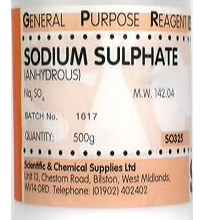
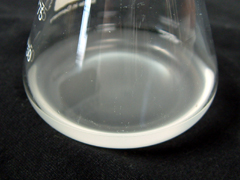
Extensive use of drying agents is made in the preparation of organic liquids. These are often immiscible with water, consequently a colourless organic liquid contaminated with a little water looks milky. On adding a drying agent we see the liquid become clear as the water is removed. There are a number of drying agents used in organic chemistry. Again, we have to make sure that they do not react with our product. Concentrated sulfuric acid reacts with many organic compounds, so it is rarely used to dry them. A reasonably reliable choice is anhydrous sodium sulfate. |
|
|
|
Always add enough drying agent to clear the milkiness and ensure thorough dryness. The solid drying agent is then filtered off from the dried product. Start by adding a small spatula measure of drying agent to the product, shake well and then check for dryness (clear, not milky, liquid) before adding further drying agent. If you add a large amount of drying agent to start with you will probably have added excess. Whilst this will ensure dryness, it will also lead to an unnecessary loss of product which tends to get soaked up onto the drying agent. |
Video - anhydrous sodium sulfate as a drying agent
The wet drying agent is finally removed from the product by filtration. If the product would damage a paper filter it can be filtered through glass wool .